


Magnus Carlsen turned pocket aces into a bluff at the 2022 Norwegian Poker Championship. He bet an all-spade flop for value, fired a small second barrel when a fourth spade arrived on the turn, then raised his opponent's river lead to 100,000 with a hand that beat only bluffs. The big blind folded.
The clip travelled far beyond poker, and the hand holds up to scrutiny. Here it is street by street, with the reasoning behind every bet.
Why Do Chess Players Take to Poker?
The two games share more than most people assume. Both reward calculation, pattern recognition and the discipline to think several moves ahead before committing. Poker adds hidden information and variance, and removes any guarantee that a good decision produces a good result.
The crossover shows up at the tables. Chess enthusiast Martin Staszko described poker as 'a piece of cake' on his way to a second-place finish in the 2011 WSOP Main Event. For the full comparison of the two games, see our poker vs chess breakdown.
How Good Is Magnus Carlsen at Chess?
Carlsen is one of the strongest players in the game's history. He won the world championship five times, held the title from 2013 until he gave it up in 2023 without ever losing a match for it, and has been the world's number one ranked player continuously since 2011. His peak rating of 2882 is the highest ever recorded.
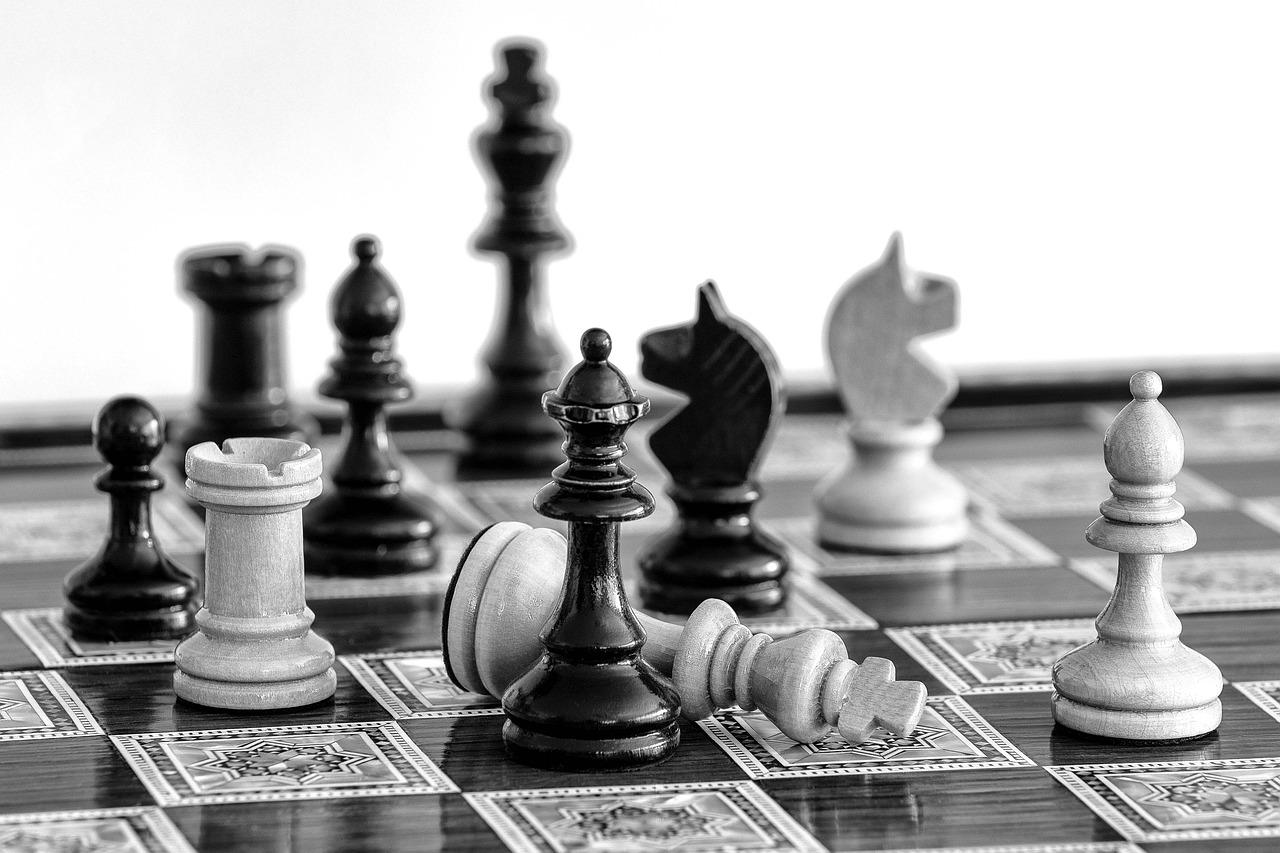
The scale of the edge is easier to see in numbers. Around the time of this hand, a simulation on the Elo Win Probability Calculator gave Carlsen roughly 84% in a best-of-20 match against the world number two, with about 9% for his opponent and 7% of matches ending drawn. Against the second-best player alive, he was close to a 9-to-1 favourite.
Preflop: Why Carlsen Opened Small with Aces
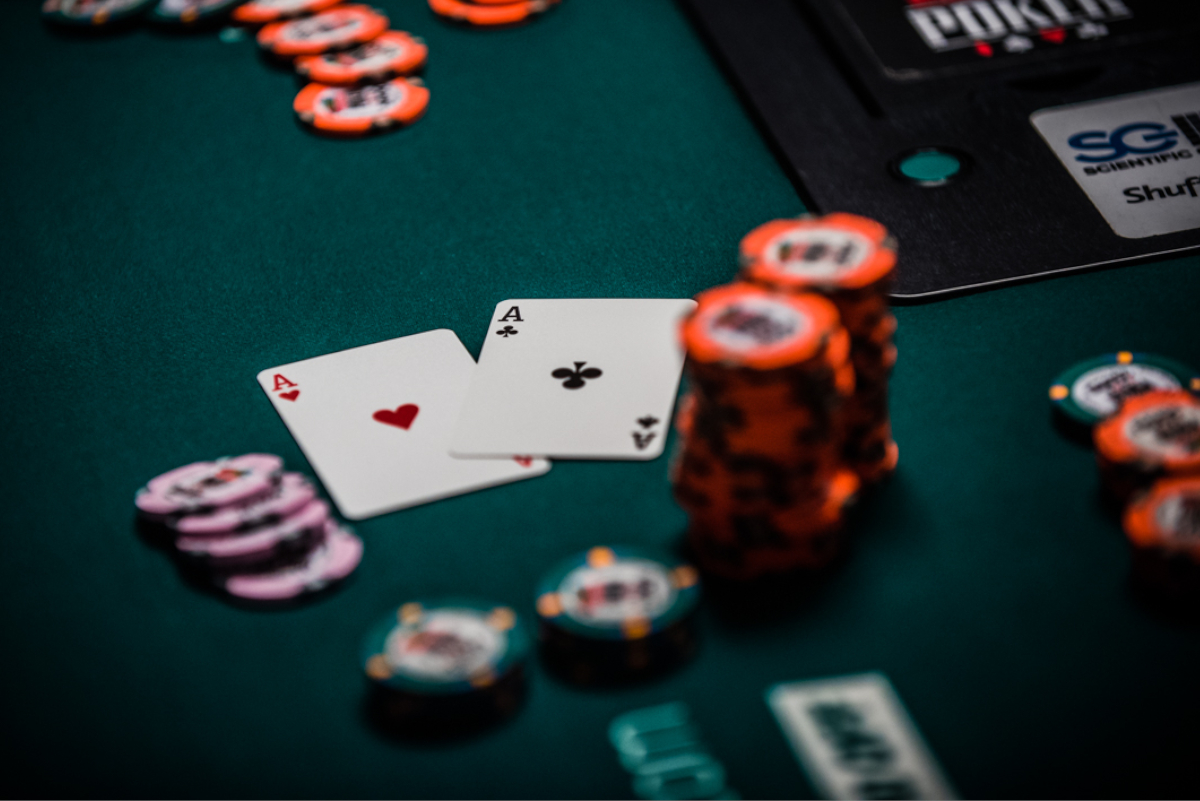
Blinds were 2,500/5,000 with a big blind ante, and Carlsen had around 288,000 in front of him. The action folded to him in the hi-jack and he opened to 11,000, a little over two big blinds.
Inexperienced players often go bigger here, especially in live tournaments where sizings run wild. The small open is the stronger default, and the reason is range, not hand. You play this position with a wide range, much of it made up of hands you're opening to steal the blinds. Strong hands are rare, so most of the time you're opening light and exposed to 3-bets. A small size keeps the cost down on the hands you have to fold.
With aces, Carlsen is begging to be 3-bet, and that's fine. Standard sizings are chosen for the whole range, not for the hand you happen to be holding.
The button called and both blinds came along, which is what happens when the price is that good. Those preflop pot odds pull in a broad spread of holdings, and the wider a calling range gets, the weaker it becomes. That principle drives every street that follows.
The Flop: Should You Bet Aces on J♠️8♠️3♠️?
Both blinds checked and Carlsen bet 21,000 into a pot of around 51,000, close to 40%.
Checking has merit in some spots. Pot control makes sense against very tight opponents who won't pay you off anyway, and against aggressive players who blast at their draws and make the hand awkward to navigate.
Against weak or unknown opponents in a multi-way pot, betting is the stronger option, for five reasons.
- Worse hands call. Three opponents came in cheaply, so the field is full of pairs, draws and pair-plus-draw combinations that want to see one more card. People hate folding.
- High-equity hands fold. Small pairs and weak single-spade aces hold 30% to 40% equity here and give it up to a single bet. Folding that much equity out of the pot is a significant win, and thinning the field cuts the chance of being outdrawn.
- The big hands pay. Aces are around an 80% favourite against non-spade holdings like K♦️J♦️ or J♣️T♣️, and those hands aren't going anywhere. Carlsen doesn't hold the ace of spades, which means it sits in his opponents' ranges and calls him down.
- A raise is easy to fold. Multi-way pots push sets, two pairs and weaker flushes to fast-play for protection, and almost nobody fires wild bluff raises into three opponents. Facing serious resistance, folding aces is a straightforward decision.
- He keeps the initiative. Betting sets the tempo for the turn and river. Checking hands that control back to the field and makes the rest of the hand much harder to play.
The board texture is doing much of the work. A monotone flop looks frightening, but the players who called from the blinds hold wide ranges built on price, so their spades are weak more often than the button's are. Betting collects value, denies equity and sets up the barrels that follow.
The button and small blind folded. The big blind called.
The Turn: 5♠️, and Why Small Is Right
The fourth spade landed, the big blind checked, and Carlsen bet 30,000, around 30% of the pot.
In isolation the bet looks poor. It offers a great price, it struggles to get called by worse, and aces already beat a fair share of the hands it folds out. In context it's a good bet, and the bet sizing is the reason.
- A small turn bet gives the big blind a price to continue with more combinations, including weak flushes, two pairs and sets. That wider range is a weaker range, and it's the range Carlsen attacks on the river.
- A large turn bet does the opposite. The weak holdings fold immediately, the calling range firms up, and a river bluff then costs more and works less often.
The size is credible too. On a four-flush board, a made flush has every reason to size down, and a small bet is awkward to raise as a bluff. The big blind's flop check-call had already advertised a hand looking for showdown.
Slowing down is defensible against passive opponents, where checking it back and beating a KJ type hand at showdown is realistic. Against anyone capable, checking invites a big river lead, leaves Carlsen guessing, and removes his own option to bluff believably when he thinks he's beaten.
The big blind called, and they saw a river.
The River: Q♣️ and the 100,000 Raise
The queen of clubs changed nothing. The big blind led for 30,000, Carlsen raised to 100,000, and the fold came almost immediately.
The lead is the weakest decision in the hand. Lead into cards that favour your range, because they increase the chance your opponent checks back and you either miss value or lose at showdown. A brick like this queen does neither. Carlsen is also the only player who can credibly hold the nut flush after taking the betting lead on two streets, so leading into him invites the raise that arrives. Letting him keep barrelling is the simpler route.
There's a wider principle in that. Carlsen's small turn bet keeps plenty of weak showdown hands in the big blind's range, so the big blind wants his stronger flushes in his check-calling range, protecting his checks and making him harder to bluff. Leading them out strips that protection away.
Carlsen's sizing is well judged. His range is already polarised when he raises, so there's nothing to gain from going bigger. The raise to 100,000 looks strong, takes a serious chunk of his opponent's remaining stack, and gives him a good price on the bluff. A shove would fold out more hands and pay far too much for the privilege.
Daniel Negreanu later broke the same hand down on his own channel. Carlsen went on to finish 25th from a field of more than 1,000 entries.
What Makes a Bluff Like This Work?
Bluffing well comes down to two things: the balance between what you risk and how often your opponent folds, and whether the story you've told across the streets is one your opponent believes. Both were in place here.
- The line is consistent. A flop bet, a small turn bet and a river raise all fit a made flush that wanted calls and then found a reason to raise.
- The range is uncapped. As the preflop raiser who kept betting, Carlsen is the one player who can hold the nuts, and his opponent has no way to rule it out.
- The price is right. The extra chips on top of a call represent a large share of the opponent's stack, which is what generates the fold without overpaying for it.
The sizing isn't a template to copy. It works because of the three streets that came before it. If you want the mechanics in full, our guide to how to bluff in poker covers frequencies, blockers and hand selection in detail.
Key Takeaways
- Open small from late position, because the size is chosen for a wide range and not for the hand you're holding.
- Betting an overpair on a monotone flop collects value from worse hands and folds out equity, and both matter more multi-way.
- Small turn bets keep an opponent's calling range wide and weak, which sets up a stronger attack on the river.
- Lead the river only on cards that favour your range. Against an uncapped opponent, checking is usually safer.
- A bluff works when the sizing is priced sensibly and the story across all three streets holds together.
- Chess skills carry over: planning ahead, reading patterns, and sticking to a plan under pressure.
